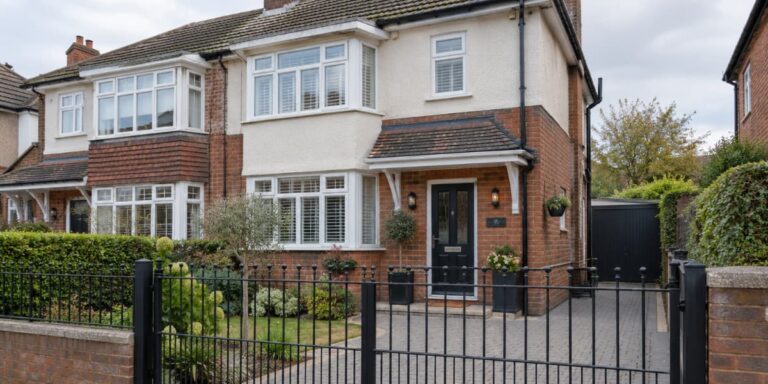
When you picture a traditional Victorian street, there are certain details that immediately come mind. Rows of elegant properties, decorative railings, ornate balconies, and beautifully crafted gates all helped define the character of Victorian Britain.
Many of these features were made of wrought iron, a material that became widely used for both practical and decorative purposes. From grand public buildings to the front gardens of everyday homes, ironwork became a fundamental part of Britain’s architectural identity, and remains so even today.
The term “wrought iron” is still widely used now when talking about decorative metalwork, driveway gates and railings. However, while the name has remained, the materials used in modern craftsmanship have evolved. Today, most products referred to as wrought iron are made from mild steel, which offers excellent strength and durability while allowing craftsmen to continue creating the intricate designs and traditional styles that have always been associated with wrought ironwork.
So, how did we get from traditional wrought iron to the metalwork we see today? Let’s take a look at the history behind one of Britain’s most recognisable crafts.
What is wrought iron?
Wrought iron is a traditional material, created by heating iron and working it by hand until it became strong, durable and easy to shape. This careful process allowed skilled craftsmen to create everything from practical items such as tools and weapons to decorative design features that added character to homes, buildings and public spaces.
The name itself comes from the old meaning of the word “wrought”, which means worked or shaped. Unlike cast iron, which is poured into moulds to create a finished form, wrought iron was carefully manipulated by hand, allowing craftsmen to bend, twist and shape the material into intricate designs.
This unique combination of strength and flexibility made wrought iron a popular choice for architectural features like decorative gates, railings, balconies, and embellishments. Being able to shape the material into elegant curves, intricate patterns and decorative designs meant it could provide both strength and beauty, which is why it became such a defining feature of properties during the Victorian era.
Over time, wrought iron became recognised not just for its practicality, but for the craftsmanship behind it. Each piece could be shaped with precision and care, creating timeless designs that continue to bring character and style to properties today.
How wrought iron became a defining feature of Victorian Britain
Although wrought iron had been used for centuries before the Victorian era, it was during the Industrial Revolution that it truly became a defining feature of Britain’s changing towns and cities.
As communities expanded and new homes, public buildings and transport networks were developed, there was a growing demand for materials that could combine strength with decorative appeal. Victorian architecture became known for its intricate detailing and sense of grandeur, making wrought iron a natural choice for adding character and craftsmanship to both private and public spaces.
Wrought iron became a familiar sight across Victorian Britain, appearing in features such as:
- Front garden railings
- Decorative gates
- Balconie
- Public buildings
- Railway structures
- Bridges
For Victorian homeowners, ironwork was about more than marking the edge of a property. It was an opportunity to showcase one’s individual style, wealth and attention to detail. A carefully designed gate, a set of front garden railings or a decorative balcony could create a striking first impression, adding elegance and character while still providing the security it was designed for.
The intricate curves, patterns and decorative touches found in Victorian ironwork helped turn everyday structures into lasting architectural art pieces, many of which continue to define the appearance of historic properties today.
The craftsmanship behind traditional wrought iron
Creating traditional wrought iron was a highly skilled craft that relied on patience, precision and the expertise of the ironworker. Unlike mass-produced materials, each piece was carefully created through a hands-on process where experience and attention to detail played a vital role. It was an incredibly sought after skill.
The iron would be heated until it became flexible enough to work, allowing craftsmen to gradually form the material using specialist tools and traditional techniques. The decorative elements were then carefully forged and finished by hand, with designs often featuring:
- Curved scrollwork
- Floral details
- Ornamental patterns
- Bespoke shapes
Because each piece was individually made, traditional wrought ironwork developed its own unique character. The small variations created during the forging and finishing process gave every design a sense of individuality that cannot always be replicated with modern manufacturing methods.
This level of craftsmanship also helped create ironwork that was built to stand the test of time. Many original Victorian gates, railings and architectural features remain in place today, showcasing the durability and skill that went into every piece.
Why did wrought iron change to mild steel?
Although traditional wrought iron was known for its strength, durability and versatility, producing it became increasingly difficult and costly as manufacturing methods evolved.
As technology advanced, steel production became more efficient and allowed manufacturers to create a material that offered many of the same qualities as wrought iron while being easier to produce, shape and adapt for modern requirements. Over time, this led to the gradual shift from traditional wrought iron towards mild steel as the preferred material for decorative and architectural metalwork.
Mild steel offered several practical advantages. It could be shaped and welded more easily, was more widely available and provided the flexibility needed to create detailed, bespoke designs. This made it an ideal choice for modern metal gates, railings and other decorative features where both strength and appearance remained important.
However, while the material changed, the craftsmanship remained at the heart of the process. Skilled fabricators continued to use traditional design principles, creating bespoke metalwork that was built to complement individual properties and stand the test of time.
Why do we still call it wrought iron?
Although traditional wrought iron is rarely produced today, the name has remained because it represents far more than the material itself. For many people, “wrought iron” is associated with a particular style, level of craftsmanship and timeless appearance rather than the exact metal used to create it.
When customers search for products like decorative metal gates, they are usually looking for the elegant designs, intricate detailing and bespoke finishes that have been associated with wrought iron for generations.
Today, the term continues to represent quality craftsmanship, traditional styling and carefully designed metalwork. While many modern features are made from mild steel, they still follow the same principles that made wrought iron so admired, combining practicality with character and lasting visual appeal.
Keeping traditional craftsmanship alive at SL Wrought Iron
The skill and attention to detail that made wrought iron such a defining feature of British architecture is something we continue to carry forward here at SL Wrought Iron.
Our team of skilled craftsmen use the same principles that ironworkers have relied on for generations, combining experience, precision and creativity to produce handcrafted gates and railings that are made to last. While modern techniques and materials have evolved, the importance of careful workmanship and a true understanding of the craft remains unchanged.
We take pride in creating bespoke metalwork designed around each customer’s requirements. Every gate and railing is carefully manufactured to the highest standards, with attention paid to every detail, from the initial design through to the final finish.
Many of the components used in our products are made in-house, allowing us to maintain control over the quality and craftsmanship behind every piece. Our dedication to traditional skills, combined with modern finishing techniques like galvanising and powder coating, helps us create decorative metalwork that brings together heritage style and long-lasting performance.
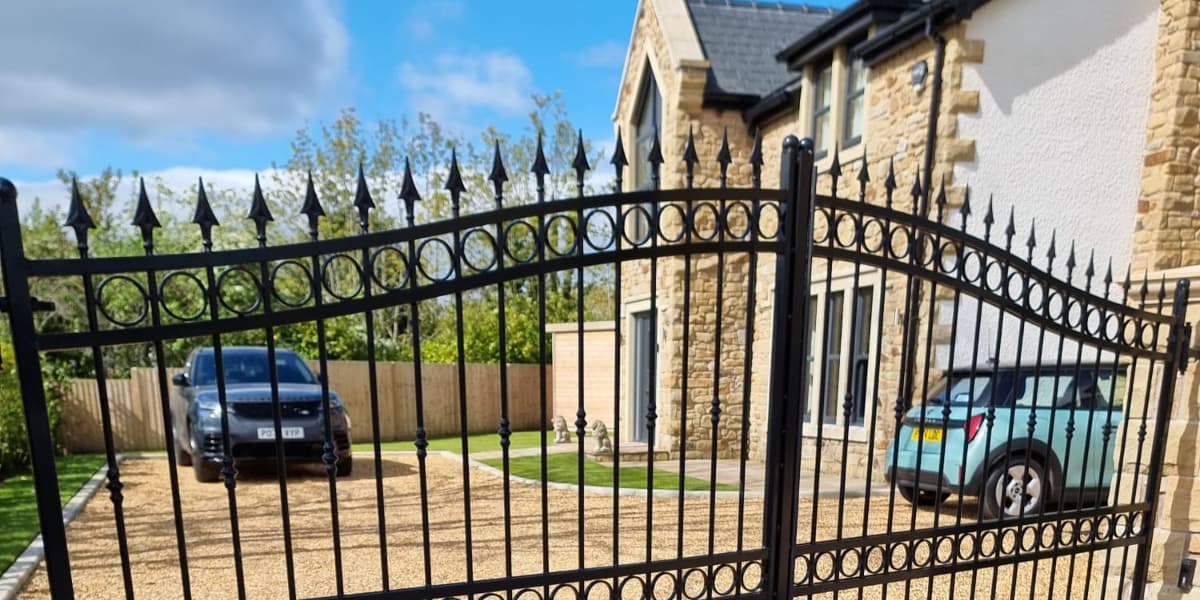
From our Lancashire factory, we continue the legacy of British metalworking by creating handcrafted double gates and railings that add character, security and timeless appeal to properties across the UK. If you have any questions about anything in our range, please don’t hesitate to get in touch with our team today on 01254 236994 or email info@slwroughtiron.co.uk.